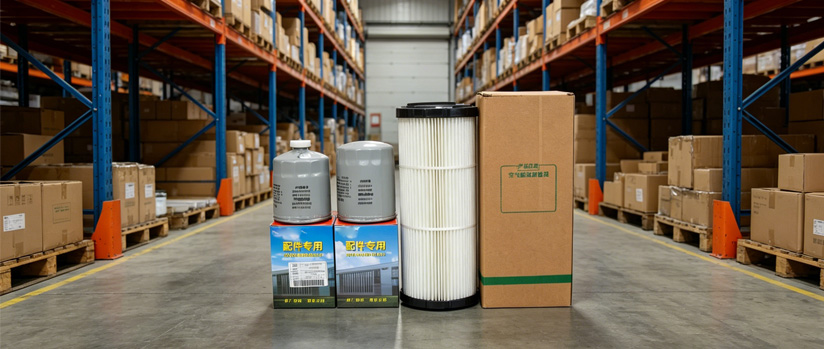
Los filtros desempeñan un papel fundamental para que las carretillas elevadoras funcionen de forma eficiente y segura. Ya sea el filtro de aire, el filtro hidráulico, el filtro de aceite o el filtro de combustible, cada uno ayuda a proteger los sistemas internos del polvo, los residuos y los contaminantes. Ignorar las señales de que un filtro necesita cambiarse, o descuidar el mantenimiento, puede provocar una disminución del rendimiento, un mayor consumo de combustible y averías costosas.
Entonces, la gran pregunta es: ¿cuándo se debe cambiar un filtro?
No existe una respuesta única. La frecuencia con la que se debe cambiar un filtro depende del tipo de filtro, el uso que se le dé a la carretilla elevadora, el entorno de trabajo e incluso la calidad del filtro en sí. En esta guía, le explicaremos los tipos de filtros más comunes y las señales de advertencia que indican que es hora de reemplazarlos, para que su sistema funcione correctamente y su lugar de trabajo sea seguro.
Por qué son importantes los filtros para carretillas elevadoras
Los filtros de las carretillas elevadoras están diseñados para evitar que los contaminantes entren en partes sensibles como el motor, el sistema hidráulico y el sistema de combustible. Los filtros limpios ayudan a:
Mantener el rendimiento del motor constante
Asegúrese de que el sistema hidráulico funcione correctamente.
Menores costos de mantenimiento
Mejorar la eficiencia del combustible
Prolonga la vida útil de los componentes
Tipos de filtros para carretillas elevadoras
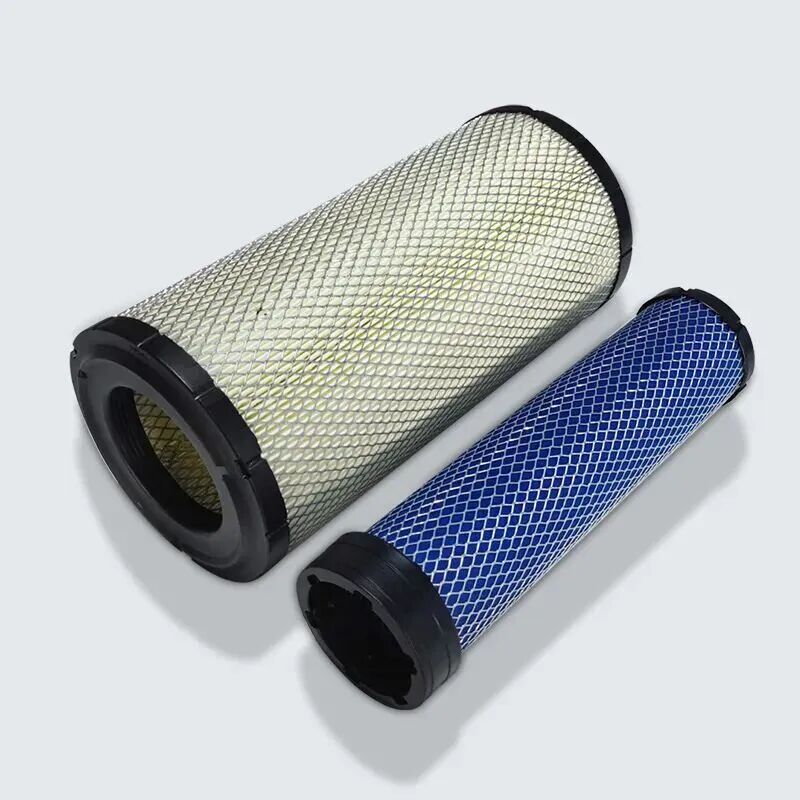
1. Filtro de aire: El filtro de aire evita que el polvo y las partículas entren en el motor.
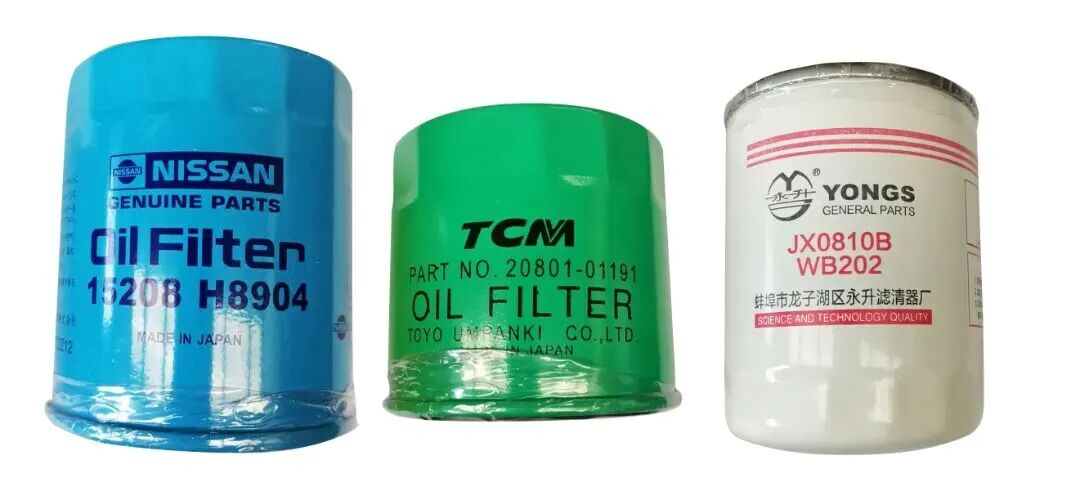
2. Filtro de aceite: El filtro de aceite elimina los contaminantes del aceite del motor y protege las piezas internas del mismo.
3. Filtro hidráulico: Los filtros hidráulicos mantienen limpio el aceite hidráulico y protegen las bombas, las válvulas y los cilindros.
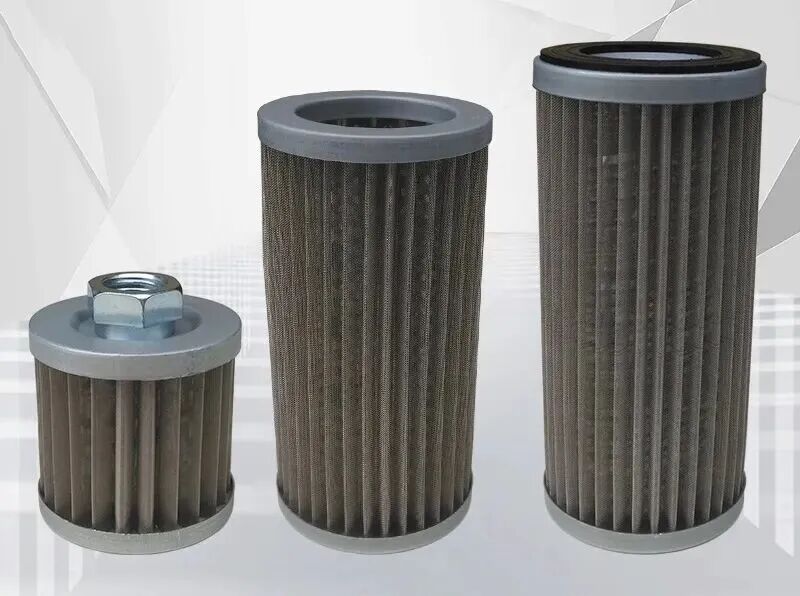
4. Filtro de combustible: Los filtros de combustible impiden que las impurezas entren en el sistema de inyección de combustible.
Señales de que es hora de cambiar un filtro
Pérdida de potencia del motor
Un filtro de aire o de combustible obstruido restringe el flujo de aire o el suministro de combustible, lo que puede provocar una aceleración lenta y un rendimiento de elevación deficiente.
Mayor consumo de combustible
Un filtro sucio obliga al motor a trabajar más, lo que significa que consume más combustible.
Sistema hidráulico lento o lento
Un filtro hidráulico obstruido puede provocar una elevación lenta, una dirección dura o un funcionamiento irregular.
El aceite tiene un aspecto oscuro o está contaminado.
Si el aceite del motor o el fluido hidráulico se ensucian de nuevo poco después de haberlos cambiado, es posible que el filtro ya no esté cumpliendo su función.
Luces de advertencia o códigos de error
Las carretillas elevadoras eléctricas modernas pueden mostrar recordatorios de mantenimiento o códigos de error relacionados con el filtro.
Riesgos de descuidar el mantenimiento del filtro
No cambiar los filtros a tiempo puede provocar:
sobrecalentamiento del motor
Daños en la bomba hidráulica
Mayor desgaste de los componentes
Averías inesperadas
Reparaciones costosas
Consejos para prolongar la vida útil del filtro
Inspeccione los filtros con regularidad.
Mantenga limpio el entorno operativo.
Utilice filtros de repuesto de alta calidad.
Siga el programa de mantenimiento del fabricante.
Reemplace los sellos dañados durante la instalación.
Cómo elegir filtros de calidad para carretillas elevadoras
No todos los filtros ofrecen el mismo nivel de protección. Los filtros de alta calidad proporcionan una mayor eficiencia de filtración, mayor durabilidad, un flujo de aire y una circulación de aceite constantes, y mayores intervalos de mantenimiento.
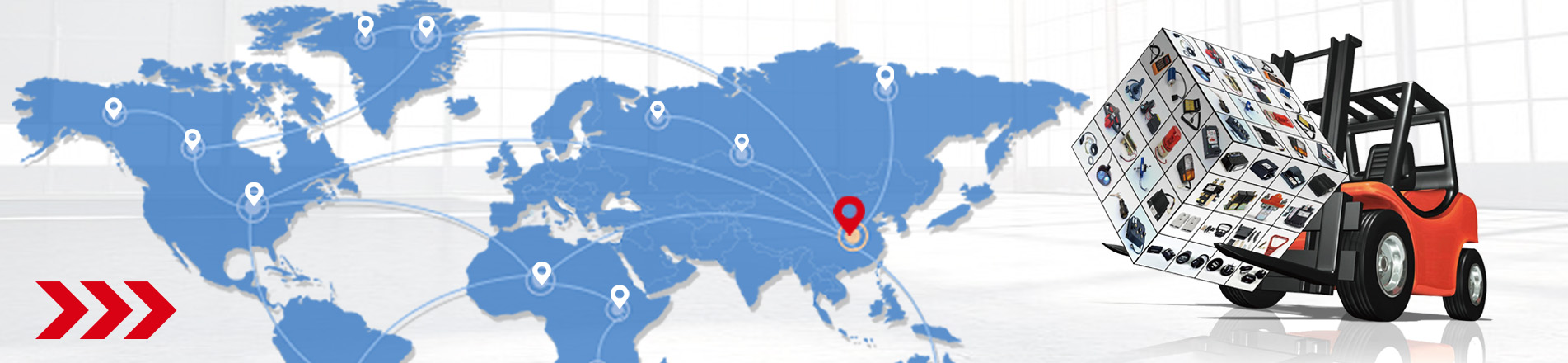
LiftTop ofrece repuestos y soluciones de mantenimiento confiables para carretillas elevadoras a clientes en todo el mundo. — incluyendo filtros, ruedas, controladores, sistemas de baterías, contactores y más. Nuestros productos están diseñados para brindar un rendimiento constante y reducir el tiempo de inactividad de los equipos.
Cambiar los filtros de las carretillas elevadoras a tiempo es fundamental para garantizar la seguridad, mejorar la eficiencia y prolongar la vida útil del equipo. Las revisiones periódicas y el mantenimiento preventivo son clave para evitar averías importantes y mantener las carretillas elevadoras funcionando correctamente, incluso en condiciones de trabajo difíciles. Contáctanos Hoy le ofrecemos recomendaciones de productos y soluciones personalizadas para repuestos de montacargas.
Obtenga las últimas ofertas de HUAN XIN Mecánica y Eléctrica

Envíanos un correo electrónico
Correo electrónico : simon@lifttops.com
DIRECCIÓN


 IPv6 red compatible


 español
 español
 English
 français
 русский
 português
 العربية