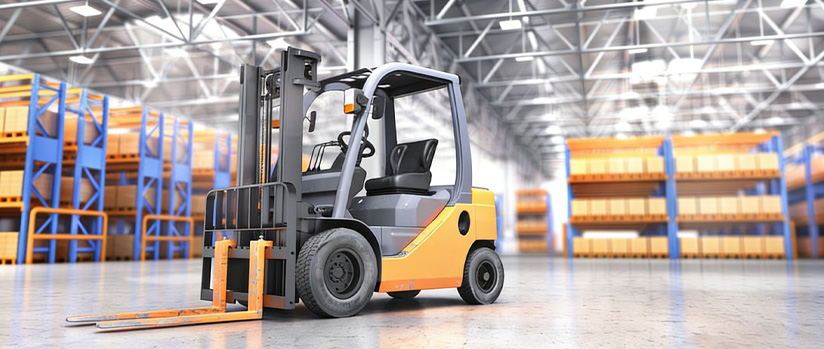
Con el rápido desarrollo de la industria de almacenamiento y logística, las carretillas elevadoras eléctricas están reemplazando gradualmente a las carretillas elevadoras tradicionales de combustión interna debido a su Respeto al medio ambiente, eficiencia y menores costos de mantenimiento. Las carretillas elevadoras se han convertido en un equipo esencial en almacenes y centros de distribución modernos. Sin embargo, los distintos entornos de almacén y requisitos operativos exigen especificaciones diferentes. Por lo tanto, elegir la carretilla elevadora eléctrica adecuada requiere considerar múltiples factores. Este artículo le guiará en la selección de la carretilla elevadora eléctrica más apropiada para su almacén.
Comprender el entorno operativo de su almacén
Diseño del almacén y limitaciones de espacio Los pasillos estrechos (de menos de 3 metros de ancho) requieren el uso de carretillas elevadoras eléctricas o recogepedidos para pasillos estrechos, mientras que los espacios abiertos permiten el uso de carretillas elevadoras contrapesadas estándar. Si su almacén tiene techos bajos, preste atención a la altura del mástil de la carretilla elevadora para evitar colisiones. Para almacenes de varios niveles con entreplantas, considere el uso de carretillas retráctiles o de torreta que puedan acceder a los niveles superiores de las estanterías.
Requisitos de capacidad de carga Calcule el peso máximo de la mercancía que necesita mover habitualmente. Las carretillas elevadoras eléctricas suelen tener capacidades de carga que van desde 0,75 kg (1500 lb) hasta 5 toneladas (10 000 lb) o más. Elija una carretilla elevadora con una capacidad ligeramente superior a su carga más pesada (por ejemplo, seleccione una carretilla elevadora con capacidad para 2268 kg (5000 lb) si su carga más pesada es de 2041 kg (4500 lb) para tener un margen de seguridad y evitar sobrecargar la máquina.
Tiempo de funcionamiento y ciclo de trabajo ¿Cuántas horas al día funcionará la carretilla elevadora? Para operaciones ligeras (de 2 a 4 horas al día, como en un almacén pequeño), una carretilla elevadora eléctrica estándar con batería de plomo-ácido podría ser suficiente. Para operaciones intensivas (más de 8 horas al día, como en un centro de distribución que funciona las 24 horas), necesitará una carretilla elevadora con una batería de iones de litio de alta capacidad o con capacidad de intercambio rápido para evitar tiempos de inactividad.
Cómo elegir el tipo adecuado de carretilla elevadora eléctrica
Las carretillas elevadoras eléctricas se presentan en diversos tipos, cada uno diseñado para tareas y entornos de almacén específicos. Seleccionar el tipo correcto es clave para mejorar la eficiencia.
Carretilla elevadora eléctrica contrapesada: El tipo más común, ideal para uso general. Incorpora un contrapeso en la parte trasera para equilibrar la carga, lo que la hace perfecta para la carga y descarga de camiones, la manipulación de palés en espacios abiertos y el apilamiento básico. Está disponible en modelos de tres y cuatro ruedas: los de tres ruedas ofrecen mayor maniobrabilidad en espacios reducidos, mientras que los de cuatro proporcionan mayor estabilidad al manipular cargas más pesadas.
Carretillas elevadoras para pasillos estrechos: Diseñadas específicamente para almacenes con pasillos estrechos (de 1,8 a 2,4 metros de ancho). Esta categoría incluye carretillas retráctiles y carretillas de torreta. Las carretillas retráctiles cuentan con un mástil retráctil que se extiende hacia adelante para colocar o recoger mercancías de estantes altos (hasta 12 metros), mientras que las carretillas de torreta pueden girar 360 grados, lo que les permite trabajar en pasillos estrechos sin necesidad de girar toda la carretilla.
Carretillas elevadoras para preparación de pedidos: Ideales para recoger artículos individuales de los estantes (en lugar de mover palés completos). Cuentan con una plataforma elevadora que lo coloca al nivel de la mercancía, lo que las convierte en una excelente opción para almacenes de comercio electrónico o centros de distribución de alto volumen.
Transpaletas eléctricas: Se utilizan para el movimiento horizontal y a baja altura de palés. Son más fáciles de maniobrar que las transpaletas manuales, lo que reduce la fatiga del operario y agiliza la manipulación de materiales en almacenes pequeños y medianos.
Tipo de batería: Plomo-ácido vs. Iones de litio
La batería es el corazón de una carretilla elevadora eléctrica; su tipo influye directamente en la autonomía, los costes de mantenimiento y el coste total de propiedad. Aquí tienes una guía para elegir entre los dos tipos más comunes:
Baterías de plomo-ácido La opción tradicional, conocida por su menor costo inicial. Son ideales para operaciones de uso ligero a medio (2-6 horas al día), pero requieren mantenimiento regular: comprobar los niveles de agua, limpiar los terminales y asegurar ciclos de carga adecuados. La carga suele tardar entre 8 y 12 horas, más entre 2 y 4 horas para el enfriamiento, por lo que los almacenes que operan las 24 horas del día, los 7 días de la semana, podrían necesitar baterías adicionales.
Baterías de iones de litio La opción premium, que ofrece una mayor rentabilidad a largo plazo. Se cargan mucho más rápido (1-3 horas), no requieren mantenimiento (sin comprobación de nivel de agua), tienen una vida útil significativamente mayor (2-3 veces superior a la de las baterías de plomo-ácido) y ofrecen un rendimiento constante durante el ciclo de carga. Las baterías de litio suelen ser más pequeñas, lo que reduce el tamaño total de la carretilla elevadora, y se pueden cargar durante las pausas, eliminando así el tiempo de inactividad. Son ideales para operaciones de gran volumen y uso intensivo.
Consejo práctico: Calcule el costo total de propiedad (CTP) a 5 años. Si bien las baterías de iones de litio requieren una inversión inicial mayor, a largo plazo suelen generar ahorros gracias a su mayor vida útil y menores necesidades de mantenimiento.
Establecimiento de una cadena de suministro estable de repuestos para montacargas
Para las empresas de logística, los distribuidores de equipos y los proveedores de servicios de mantenimiento, un suministro estable de repuestos es fundamental. Esto incluye:
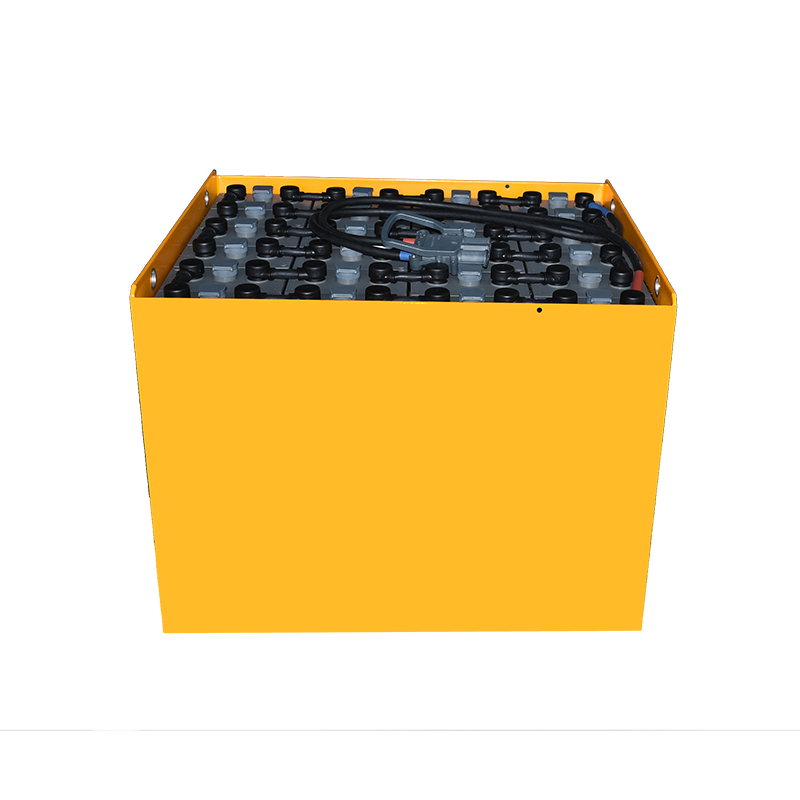
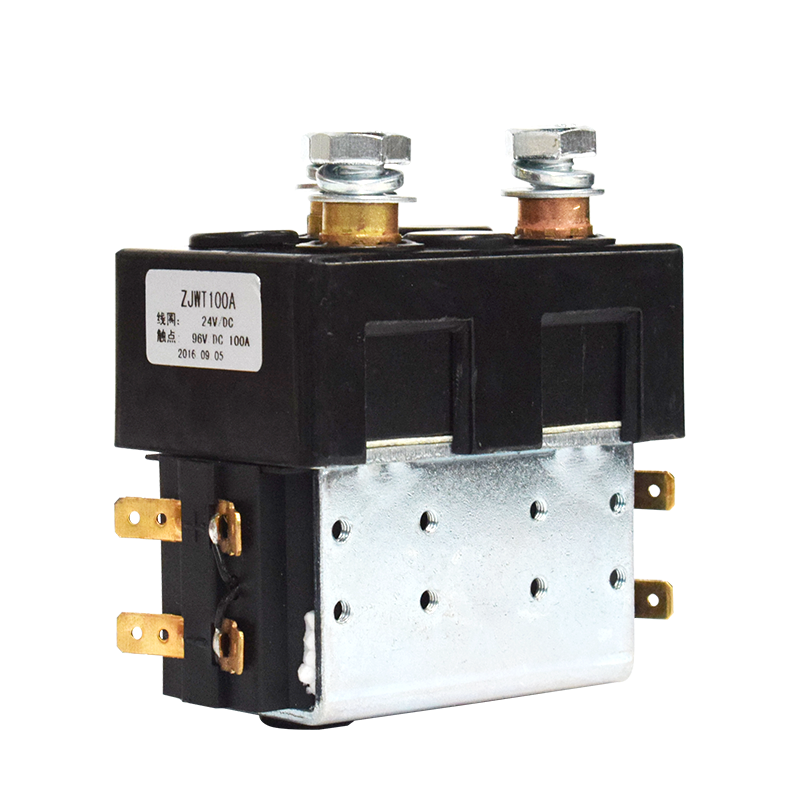
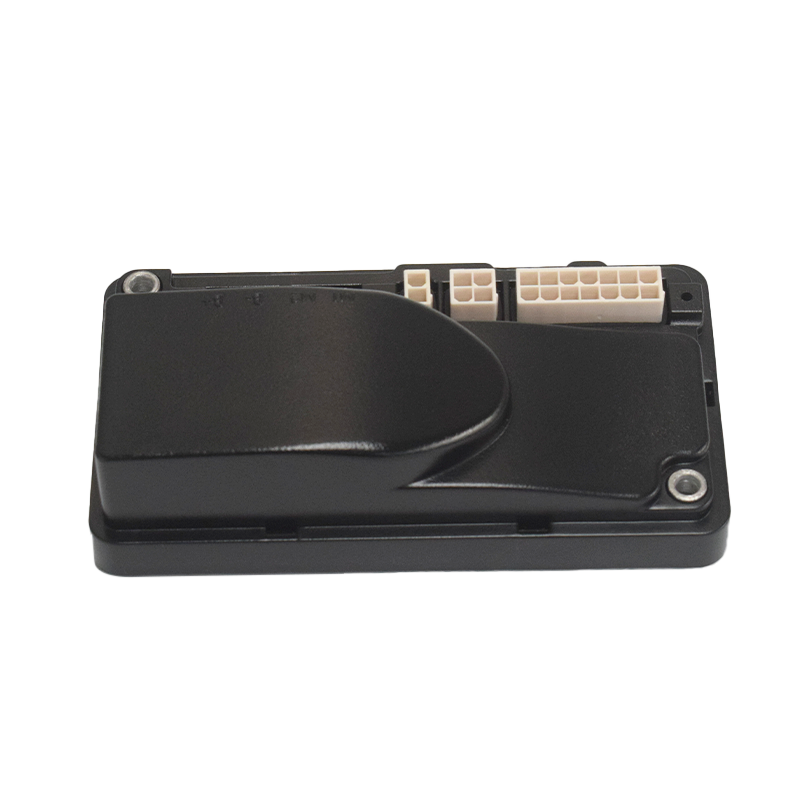
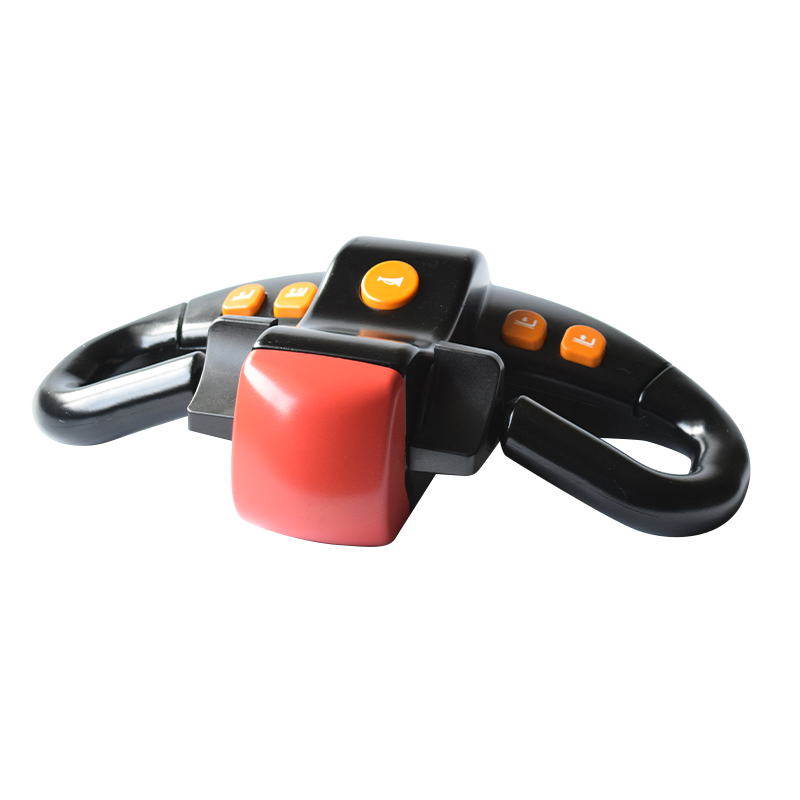
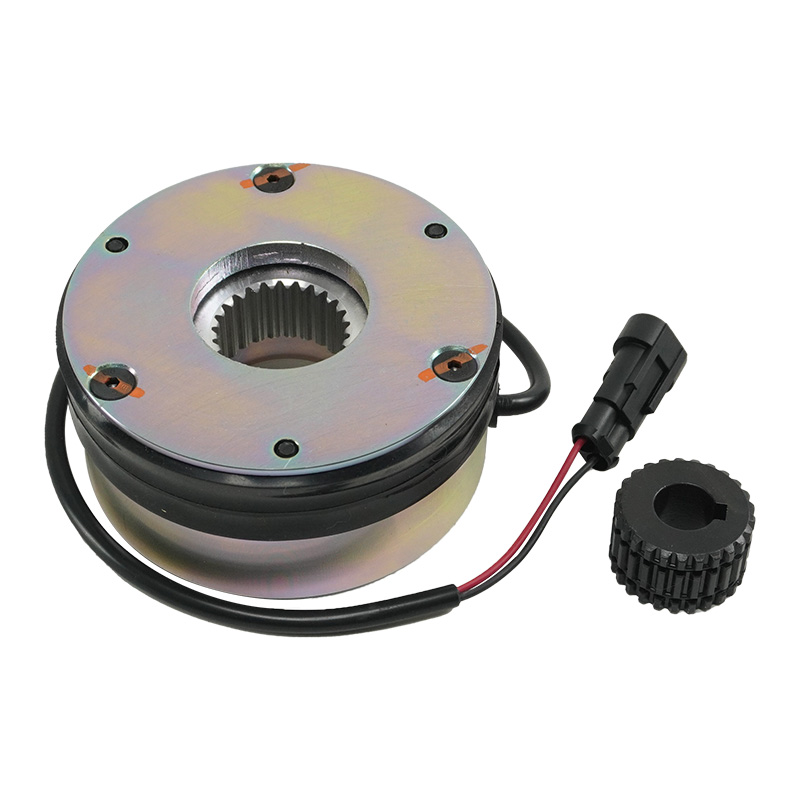
Contar con una cadena de suministro fiable no solo reduce los costes de mantenimiento, sino que también mejora la eficiencia operativa de los equipos.
Considerando el costo total de propiedad
Más allá del precio de compra inicial, es importante considerar el costo total de propiedad (CTP), que incluye:
* Costo de compra del equipo
* Costo de reemplazo de la batería
* Gastos de mantenimiento rutinario
* Consumo de energía
* Vida útil
Desde una perspectiva operativa a largo plazo, las carretillas elevadoras eléctricas suelen ser más económicas que sus homólogas de combustión interna.
Conclusión
Elegir la carretilla elevadora eléctrica adecuada implica más que solo el equipo en sí; también requiere prestar atención a factores como el sistema de baterías, los equipos de seguridad y los componentes eléctricos críticos. Un suministro constante y fiable de repuestos ayuda a las empresas a minimizar el tiempo de inactividad del equipo y a mejorar la eficiencia operativa general del almacén.
Si busca repuestos, baterías o soluciones de sistemas de seguridad de alta calidad para montacargas, no dude en contactarnos. Contáctanos Para obtener más información sobre el producto y asistencia técnica.
Obtenga las últimas ofertas de HUAN XIN Mecánica y Eléctrica

Envíanos un correo electrónico
Correo electrónico : simon@lifttops.com
DIRECCIÓN


 IPv6 red compatible


 español
 español
 English
 français
 русский
 português
 العربية